Site Development Styles You Cannot Must Not Overlook in This Year.


Within the rapidly changing digital landscape, having a standout website is no more just an option but a necessity for companies of any size. As we move towards 2024, website design trends are changing in ways that demand attention, fresh ideas, and a clear grasp of user needs. From visual appeal to usability, the role of a website designer has become increasingly more crucial. Choosing the appropriate designer can determine your web presence, impacting everything from user experience to sales conversions.
As you start the journey of revamping your website or establishing a new one, it's crucial to recognize the qualities that characterize a professional website designer. Do they stay updated with latest trends, recognize the importance of mobile responsiveness, and focus on user experience? This article seeks to guide you through the key aspects of choosing a website designer, making sure that you make informed decisions that align with your organizational aims. Whether you're considering custom designs or templates, or looking to integrate essential features like SEO and e-commerce capabilities, grasping what to look for in a designer will guide you towards the path to web success.
Choosing the Right Web Designer
Choosing the best web designer for your company can result in a substantial difference in achieving your online goals. Begin by defining your specific needs. Consider elements such as the kind of site you need, whether it's for e-commerce, a journal, or a business presence. By clarifying your objectives, you can better review potential designers based on their knowledge and track record in your desired area. It's crucial to make sure that their previous projects aligns with your ideas, demonstrating similar projects that illustrate their capabilities.
When assessing web designers, consider their top qualities. A professional web designer should exhibit strong communication skills, creativity, and a strong knowledge of user experience principles. Additionally, they should stay abreast of current web design styles and maintain knowledge of SEO, making sure your site is not only visually pleasing but also designed for search engines. Assess how well they understand your brand identity, as this will affect the overall design and effectiveness of your site.
Ultimately, watch out for warning signs when hiring a designer. Be careful of those who offer unrealistic claims or do not have a comprehensive portfolio. It's crucial to investigate client testimonials and recommendations to gauge their credibility. Look for openness in their cost and processes; a designer who is transparent about their approaches and responds to your concerns is more likely to provide a high-quality project. By being mindful of these criteria, you can find a web designer who will improve your online presence.
Crucial Characteristics of a Professional Designer
A skilled website designer should possess a strong blend of digital skills and creative vision. They need to be adept in diverse design software and coding languages, permitting them to create visually appealing and effective websites. This expert expertise ensures that the designer can handle everything from user interface visuals to backend functionalities, creating a seamless experience for users. A deep understanding of creative principles, color theory, and typography is also essential, as these factors greatly impact the overall appearance and navigability of the website.
In addition to specialized skills, clear communication is another key quality of a skilled website designer. They should be able to grasp your commercial goals and transform them into a cohesive design strategy. This means proactively listening to your ideas, providing helpful feedback, and ensuring you informed throughout the design process. A designer who interacts well not only creates a collaborative environment but also ensures that the final product meets your standards and business identity.
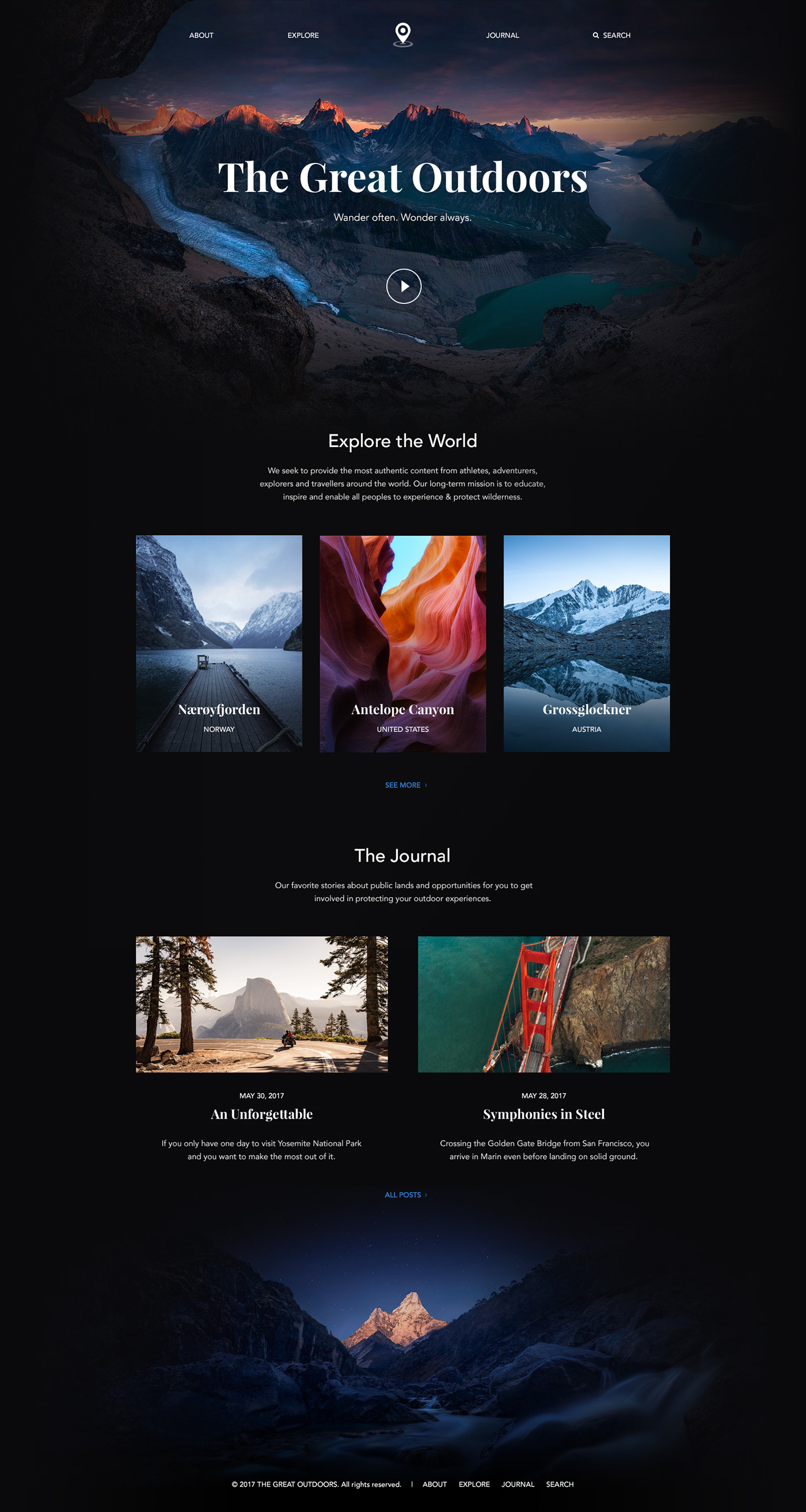
In conclusion, adaptability and a commitment to keeping current with design trends set exceptional designers apart. https://dev.to/webdesign697/flexible-web-design-adjusting-web-pages-for-all-devices-48bp is ever evolving, and a remarkable designer should be adaptable enough to integrate new technologies and design trends into their work. They should also be take the lead about understanding user experience and mobile responsiveness to ensure that your website remains current and functional. By emphasizing these characteristics, you can ensure that you are partnering with a designer who will deliver a top-quality website that generates results.
Present Movements in Web Design
As we advance into the upcoming year, one of the most important trends in web design is the stress on UX (UX). Designers are progressively concentrating on creating intuitive layouts that streamline the user journey and improve overall functionality. This commitment to UX not only improves user happiness but also leads to higher sales. A website that is easy to navigate and aesthetically pleasing keeps users interested, ultimately boosting commercial success.
Another movement gaining popularity is the incorporation of mobile responsiveness. With the largest portion of users accessing websites via their phones, designing for mobile accessibility has become a necessity. Designers are using fluid grid systems and implementing quick-loading elements to ensure that site s perform seamlessly across different devices. This adaptability not only accommodates user preferences but also fits in with search engine optimization techniques, improving rankings for mobile-compatible websites.
Finally, eco-friendliness in web design is gaining prominence. Designers are seeking to lower energy use by adopting eco-friendly practices, such as improving website speed and minimizing heavy elements. This movement not only helps the ecosystem but also enhances user experience by creating faster loading times. The shift towards eco-friendly web design demonstrates a growing consciousness of ecological effects, appealing to a responsible consumer base that values sustainable business strategies.